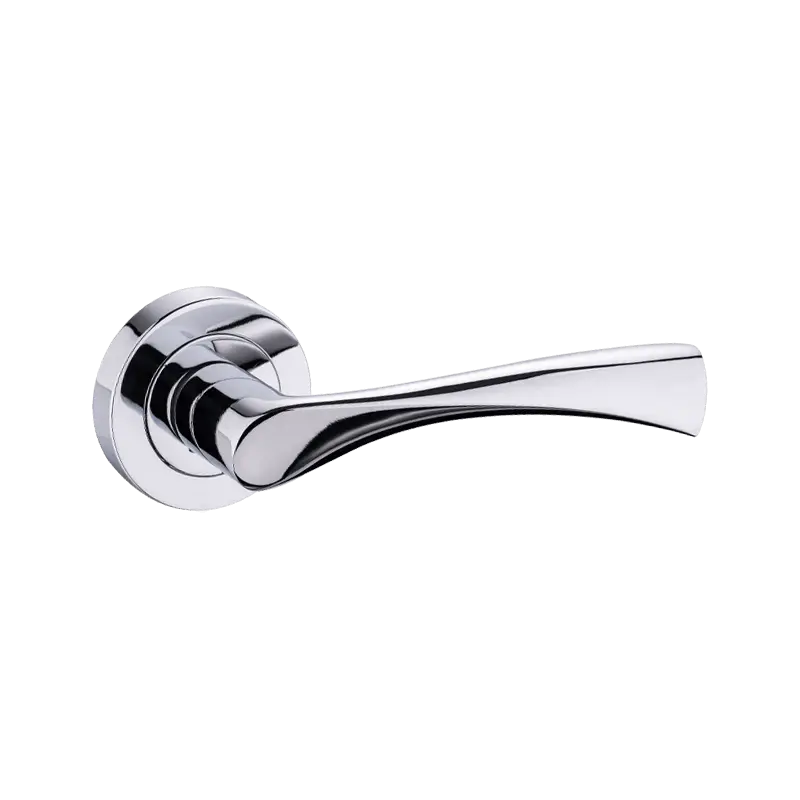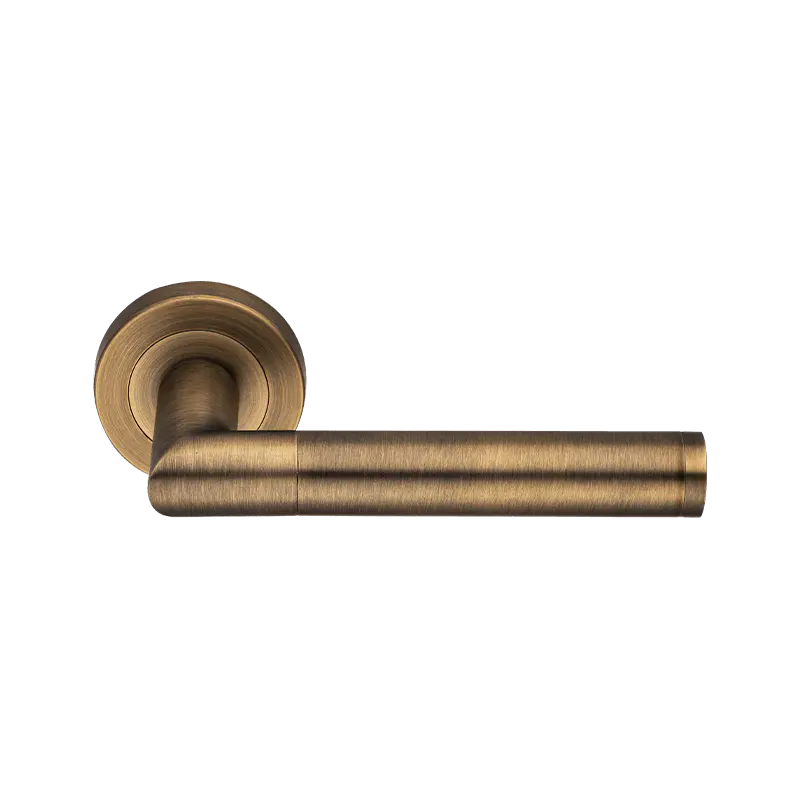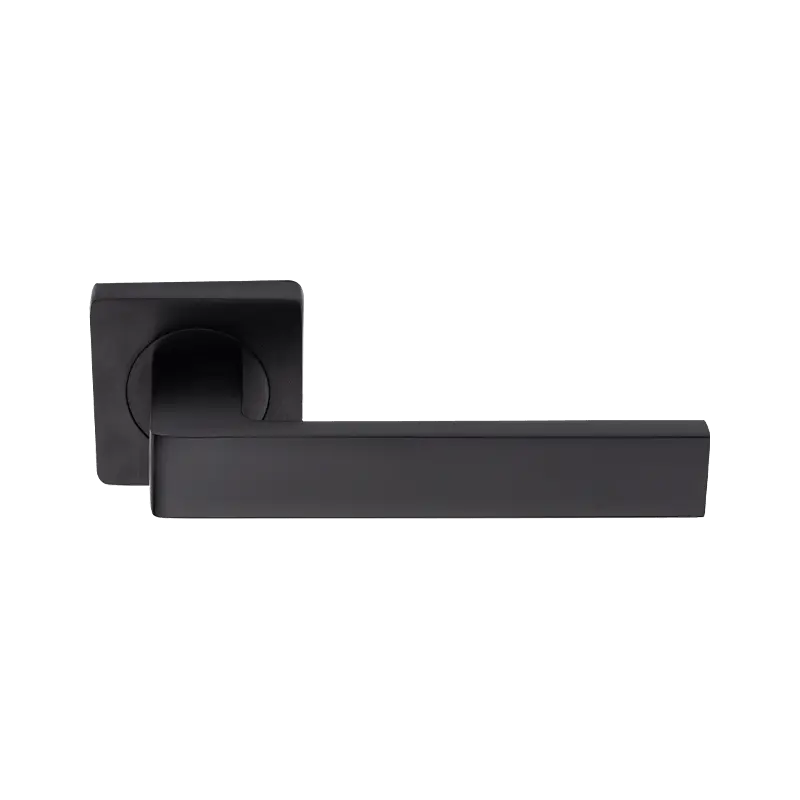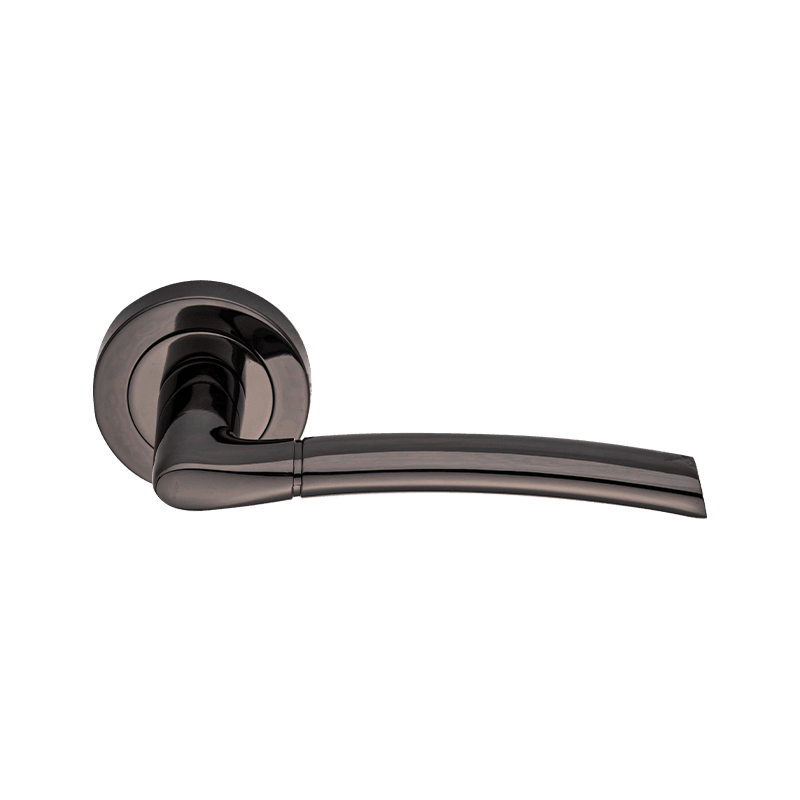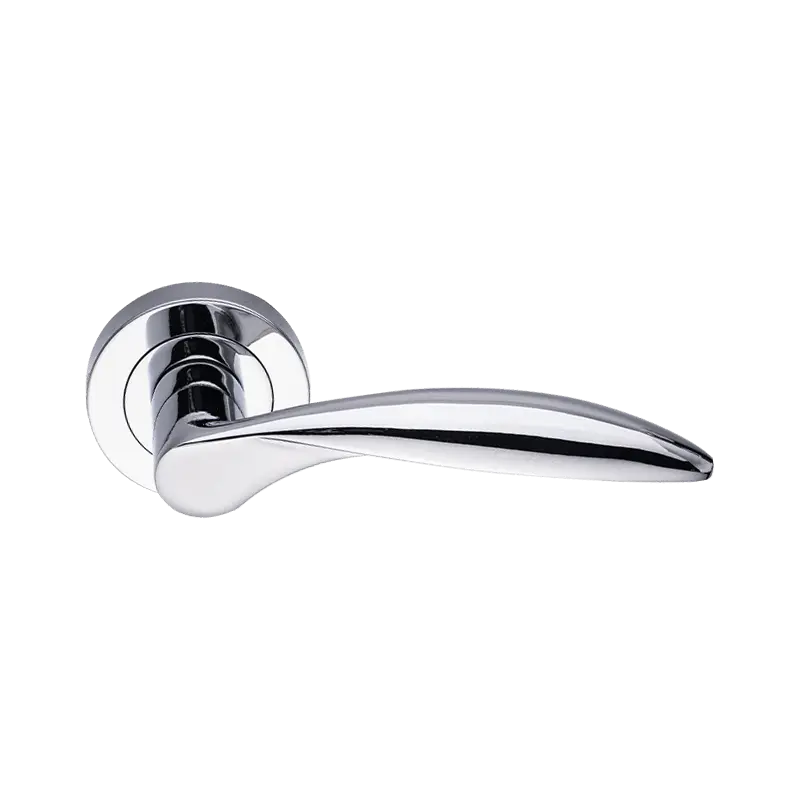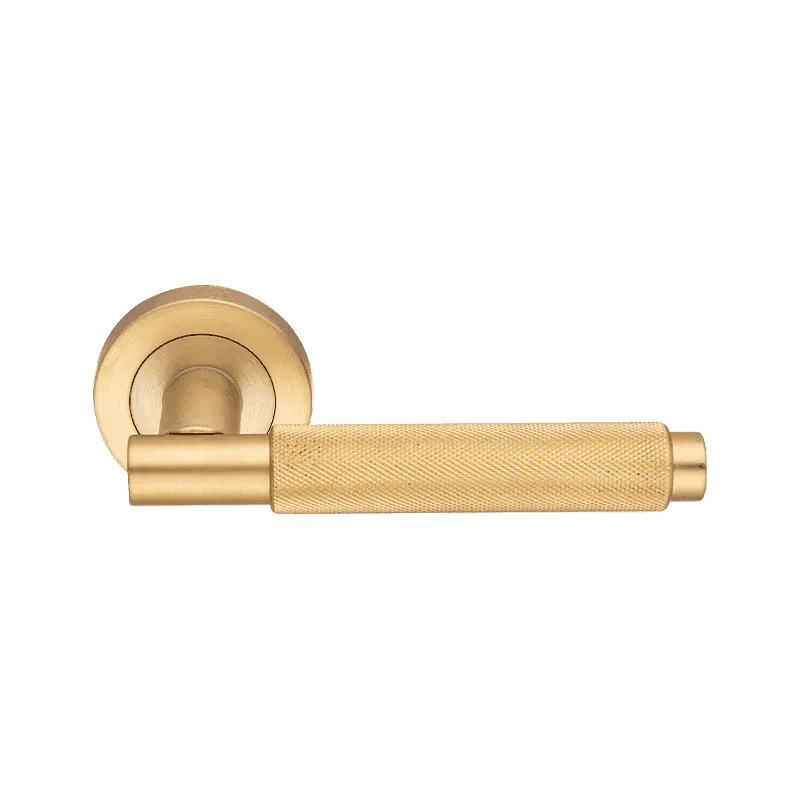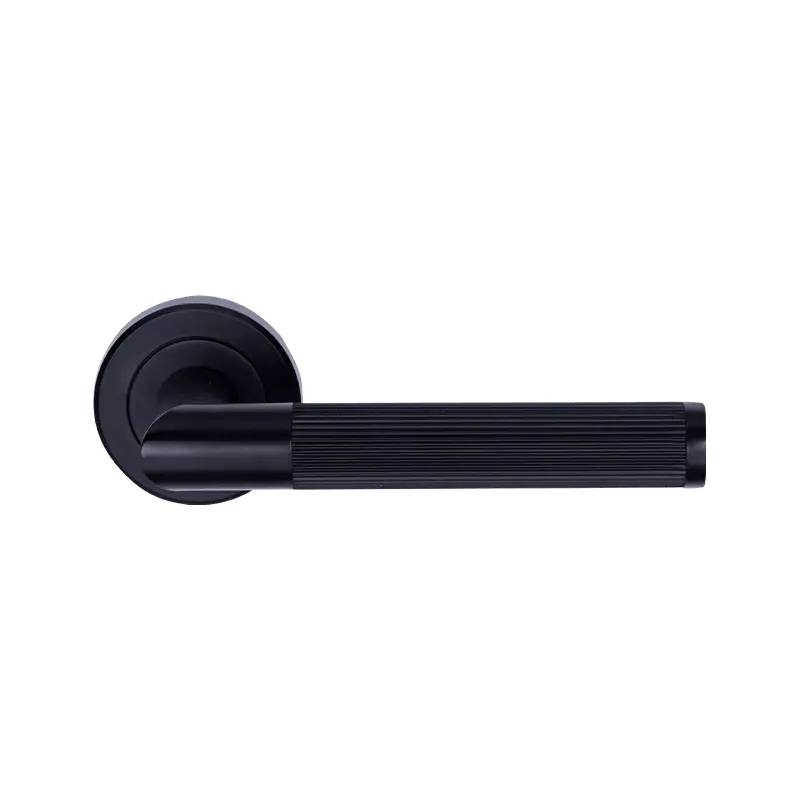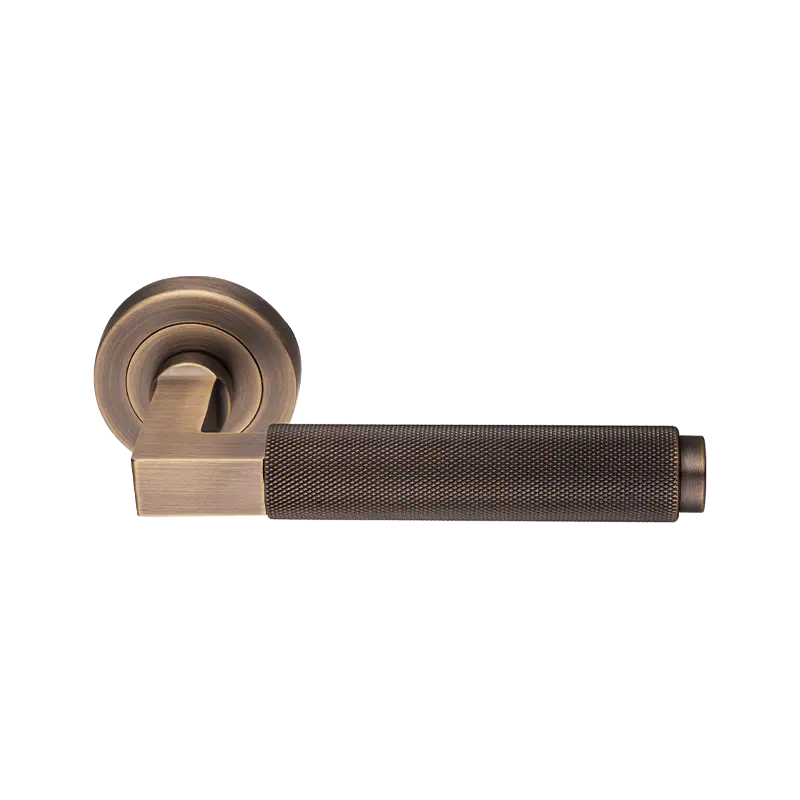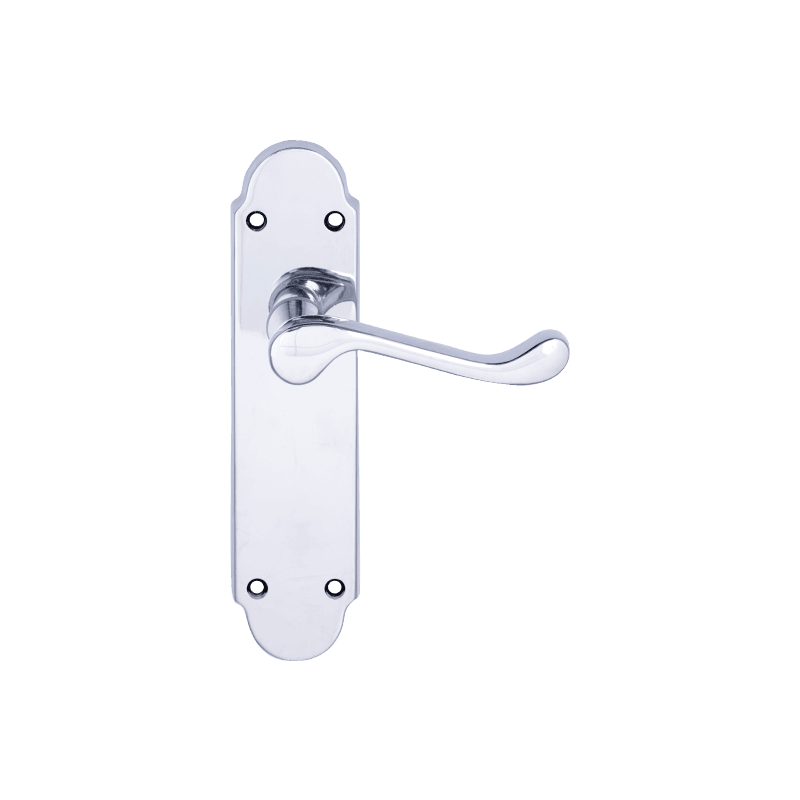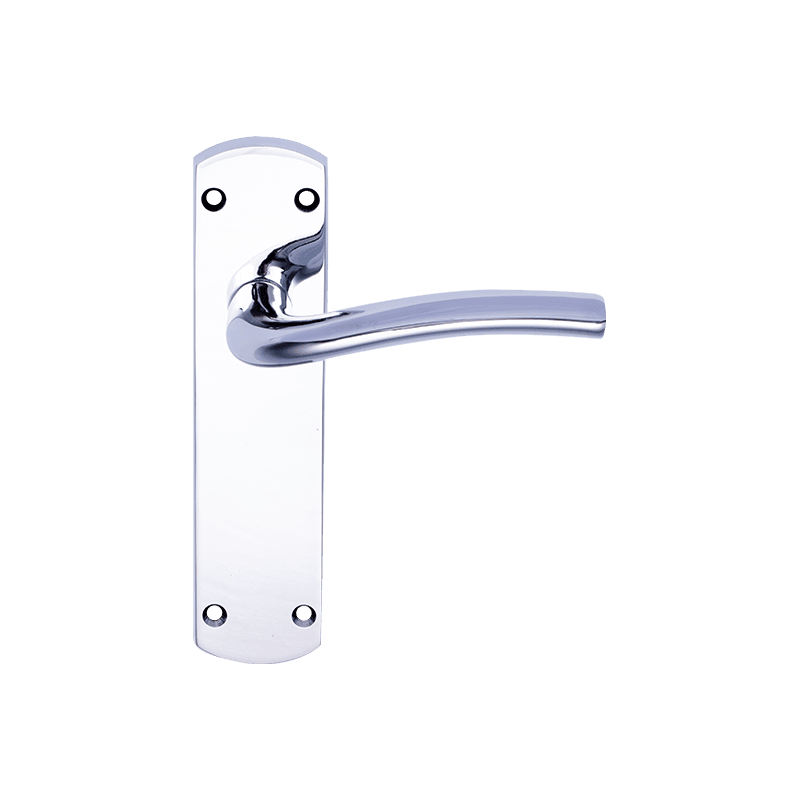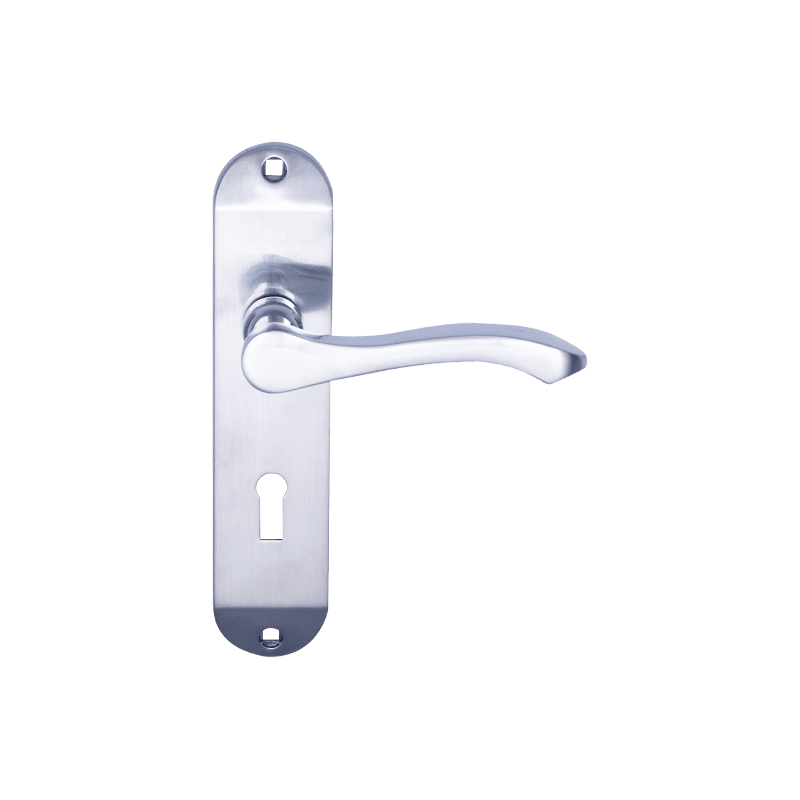
The different types of door handles are broadly categorized into lever handles, knob handles, pull handles, flush pulls, mortise handle sets, and electronic or smart handles, each engineered for distinct functional, accessibility, and aesthetic requirements in residential, commercial, and industrial environments. Choosing the right handle is not just a matter of style; it directly impacts door usability, building code compliance, and security. Understanding the full range of door handle applications ensures that every door in a project serves its intended users safely and effectively for decades.
| Tip mâner | Operation Method | Aplicații cheie | Beneficiul principal |
|---|---|---|---|
| Lever Handle | Push down or lift up | Interior and exterior residential doors, offices, accessible restrooms | ADA compliance, ease of use |
| Knob Handle | Rotate clockwise or counterclockwise | Traditional home interiors, privacy locks for bedrooms and bathrooms | Classic look, cost-effective |
| Pull Handle | Grip and pull or push | Entry doors, commercial storefronts, sliding doors, cabinet doors | Strong grip, large door operation |
| Flush Pull | Fingertip grip, pull sideways or back | Pocket doors, sliding doors, cabinet doors, doors where projection must be minimized | Low profile, space saving |
| Mortise Handle Set | Lever or knob with mortise lock body | High-traffic commercial doors, hotel rooms, institutional buildings | Durability, safety, fire rating |
| Electronic / Smart Handle | Keypad, fingerprint, RFID card, or smartphone | Server rooms, office suites, smart homes, rental properties | Keyless entry, access logs, high security |
Lever Handles: The Universal Standard for Accessibility and Comfort
Lever handles are the most ergonomically sound and code-compliant door handle type, operating with a simple downward push or upward lift that requires no gripping, twisting, or tight pinching of the wrist. This makes them the mandatory choice for accessible routes under the Americans with Disabilities Act (ADA) Standards for Accessible Design, which specify that door hardware must be operable with one hand using no more than 5 pounds of force and without tight grasping, pinching, or twisting of the wrist. Lever handles meet this standard because they can be activated using a closed fist, an elbow, or even a forearm, making them ideal for individuals with limited hand dexterity, arthritis, or injuries. The Builders Hardware Manufacturers Association (BHMA) further classifies lever handles into three durability grades under ANSI/BHMA A156.2: Grade 1 handles are tested to withstand at least 800,000 full operation cycles , making them suitable for heavy-traffic commercial entrances and hospital corridors, while Grade 2 (400,000 cycles) covers standard residential and light commercial doors, and Grade 3 (200,000 cycles) is intended for low-use residential interior doors.
The versatility of lever handles extends far beyond accessibility. Return-to-spring mechanisms ensure the handle returns to its original position after each use, and the wide range of styles, from sleek modern bar levers to ornate traditional designs, makes them compatible with any architectural language. În door handle applications where hygiene is critical, such as healthcare facilities, antimicrobial-coated lever handles or those with easy-to-clean surfaces are commonly specified. Additionally, some lever handles incorporate a locking cylinder in the lever itself for exterior entry doors, or a thumb-turn privacy lock for bedroom and bathroom applications.
Knob Handles: Traditional Design with Defined Security Purposes
Knob handles require a full-handed grip and a rotational turn of approximately 45 to 60 degrees to retract the latch, making them far less accessible than levers, but their classic appearance and resistance to tampering keep them in production for specific uses. Because a knob must be grasped and turned, it cannot be operated with an elbow or a simple push, which means it does not satisfy ADA requirements for accessible openings. For this reason, knob handles have been largely phased out of public buildings and new commercial construction. However, in residential interiors, solid brass or bronze knob sets remain popular for period-style homes and for doorways where the ability to prevent small children or pets from operating the door is actually seen as an advantage. A toddler who can easily push down a lever may struggle to turn and hold a round knob while pushing the door, adding an informal safety layer.
From a security standpoint, knob handles used on exterior doors must incorporate a deadbolt or be paired with a separate deadlock, because the knob itself only controls a spring latch that can be overcome with a credit card or pry bar. The BHMA rating system applies here as well, with Grade 1 knob locks meeting the 800,000-cycle test when maintained properly. Among the different types of door handles , the knob remains a low-cost, widely available option, but its functional limitations relegate it primarily to low-traffic interior spaces in modern building practice.
Pull Handles: Heavy-Duty Grips for Large Entry and Sliding Doors
Pull handles, also called grip handles, are mounted on the surface of the door and are designed solely for pushing or pulling the door open, offering no latch retraction or locking capability on their own. They are the typical choice for commercial storefront aluminum-framed doors, heavy wooden entry doors, and large sliding patio doors. Pull handles are often installed in pairs—one on the outside, one on the inside—or combined with a latch mechanism. On a commercial entry door, the pull handle is used in conjunction with a separate latch or deadbolt; the user grips the handle to control the door, while a separate thumb latch, lock cylinder, or push-bar performs the latching function. The diameter and projection of a pull handle are critical to grip comfort: a typical cylindrical pull handle has a diameter between 0.75 and 1.25 inches and projects at least 2 inches from the door face to allow a secure grasp.
Pull handles also appear extensively in cabinetry and sliding closet doors. A curved bar or D-shaped handle provides a solid anchor point for moving heavy drawer stacks or massive solid-wood doors. În door handle applications involving high wind loads, such as exterior glass doors on a tall building, pull handles must be securely anchored through the door stile or frame with through-bolts rather than simple wood screws, ensuring they can withstand forces well above 50 pounds without loosening.
Flush Pulls and Recessed Handles: Low-Profile Solutions for Pocket and Sliding Doors
Flush pulls are door handles that sit entirely inside a recess routed into the door panel, presenting a completely flat surface when not in use and eliminating any projection that could snag clothing or block a sliding door's travel. This essential function makes them the default hardware choice for pocket doors that slide into a wall cavity, bypass sliding closet doors, and folding accordion doors. If a protruding knob or lever were installed on a pocket door, it would crash into the wall jamb and prevent the door from fully opening. The typical flush pull consists of a shallow metal or plastic cup with an internal finger grip, requiring a rout depth of only 0.5 to 0.75 inches into the door edge, leaving the structural integrity of the door mostly intact.
Flush pulls also appear in applications where handles must not protrude for safety or clearance reasons. An emergency exit door along a narrow corridor might use a flush pull on the push side to prevent a protruding handle from catching clothing or skin. In public transportation and RV interiors, flush pulls maintain clean lines and prevent accidental activation. Though they lack the mechanical advantage of a lever, they serve an irreplaceable role in the spectrum of different types of door handles by allowing concealed sliding and folding doors to function at all.
Mortise Handle Sets: High-Durability Hardware for Commercial and Institutional Doors
A mortise handle set is not just a handle but a complete locking system that embeds a heavy-duty lock body into a rectangular pocket machined into the door edge, delivering unmatched strength, precise alignment, and fire-rating compliance for the most demanding commercial environments. Unlike a cylindrical latch that fits into a round cross-bore, a mortise lock body is a rectangular steel case that typically houses both the latchbolt and a solid deadbolt, operated by the lever or knob and a key or thumb-turn. This integrated construction allows mortise locks to achieve higher security ratings and maintain their adjustment far longer under constant use. A standard Grade 1 mortise lock as defined by ANSI/BHMA A156.13 must withstand a minimum of 800,000 cycles without mechanical failure and resist a force of 800 pounds applied to the door edge without the lock disengaging. These numbers are essential for hospital corridors, university dormitories, and hotel room doors that are cycled open and closed dozens of times per hour during peak periods.
Mortise handle sets can be configured with lever handles or knobs, and they are often selected for door handle applications requiring a consistent master key system, electric strike integration, or a visual occupied indicator. The handle return springs are typically heavier and more resistant to drooping than those in cylindrical hardware, which is why a well-maintained mortise lever will remain horizontal after years of use. This robustness, combined with the ability to be quickly re-keyed and the availability of decorative escutcheon plates, makes the mortise handle the backbone of high-traffic commercial door hardware.
Electronic and Smart Door Handles: The New Frontier of Access Control
Electronic door handles integrate motorized locking mechanisms and digital authentication methods—keypad, fingerprint sensor, RFID card reader, or Bluetooth smartphone link—directly into the handle assembly, redefining both security and convenience for residential and commercial spaces. These smart handles eliminate the need for physical keys, instead using encrypted digital credentials that can be immediately revoked, tracked, and time-restricted. This capability is particularly valuable in rental properties, coworking spaces, and corporate server rooms, where access rights change frequently and a lost key would otherwise require an expensive rekeying of the entire system. According to market data from the Security Industry Association, the electronic lock segment has grown at an annual rate of over 10% for the past five years, driven by smart home integration and demand for touchless access solutions.
A typical smart door handle contains a low-energy Bluetooth or Wi-Fi module, a motor that rotates the latch mechanism, and a battery pack that can last between 6 and 12 months before requiring a recharge or alkaline battery replacement. Many models also include a mechanical override keyway for use during power failures, ensuring that electronic convenience does not become a lockout risk. Among the different types of door handles , smart handles represent the fastest-evolving category, with voice assistant integration and real-time door position sensing becoming standard features. They are finding their primary door handle applications in smart homes, professional offices, medical dispensaries, and any environment where audit trails and remote management justify the higher initial cost.
Frequently Asked Questions About Door Handle Types and Applications
What door handle type is required by the ADA for accessible doors?
The ADA Standards for Accessible Design require that door handles be operable with one hand and do not require tight grasping, pinching, or twisting of the wrist. Lever handles, push-type handles, and U-shaped pulls meet these criteria, while round knob handles generally do not. On any door that is part of an accessible route, a lever handle is the most common compliant choice.
How do I choose between a knob and a lever handle for interior doors?
The decision should be based on the users and the style of the home. If anyone in the household has limited hand mobility, or if you are designing for long-term aging in place, a lever handle is the clear functional choice. If the home has a traditional aesthetic and all occupants have good hand function, a solid brass or ceramic knob can enhance the period character. Many homeowners now install levers on all main passage doors and reserve knobs only for secondary closets.
What is the standard installation height for door handles?
The International Building Code and most residential guidelines place door handle centerlines between 34 and 48 inches above the finished floor. For accessible applications, the ADA specifies a maximum height of 44 inches for the operable part of the handle. Consistent installation at 36 to 40 inches is typical for residential work and keeps handles at a comfortable reach for the majority of adults.
Can electronic door handles be installed on any door?
Most electronic handles are designed to retrofit standard door preparations with a cross-bore of 2-1/8 inches and a backset of 2-3/8 or 2-3/4 inches. They can replace an existing cylindrical knob or lever in minutes using only a screwdriver. However, doors that are warped, that do not close squarely, or that have an extremely thick profile may require additional adjustments. Always verify the door thickness and condition before purchasing a smart handle.
How do I maintain different types of door handles to extend their life?
Regular light lubrication of the latch mechanism with a dry PTFE or graphite spray prevents corrosion and keeps the retraction smooth. Wipe the handle surfaces with a soft cloth and mild soap solution; avoid abrasive cleaners that can remove the protective clear coat. For lever handles that begin to droop, the return spring may be worn and the entire lock chassis should be replaced, especially on high-use commercial doors, to maintain security and alignment.
Mastering the different types of door handles and matching each one to its ideal door handle applications transforms the functional core of any building from an afterthought into a thoughtfully specified system of accessible, secure, and visually harmonious entry points. Whether the priority is effortless code compliance with a sturdy lever, traditional charm with a polished knob, heavy-duty pulling power with a commercial grip, or biometric convenience with a smart handle, the right choice ensures every door performs flawlessly for its entire service life.